
It's time to ditch Excel
for a better solution
Using Excel as your business copilot works for early stage. But it is not a scalable solution. We know how to discover and build your ideal ERP, with your needs in mind.















We know how to turn your information system into a powerful engine, driving your business to new heights.
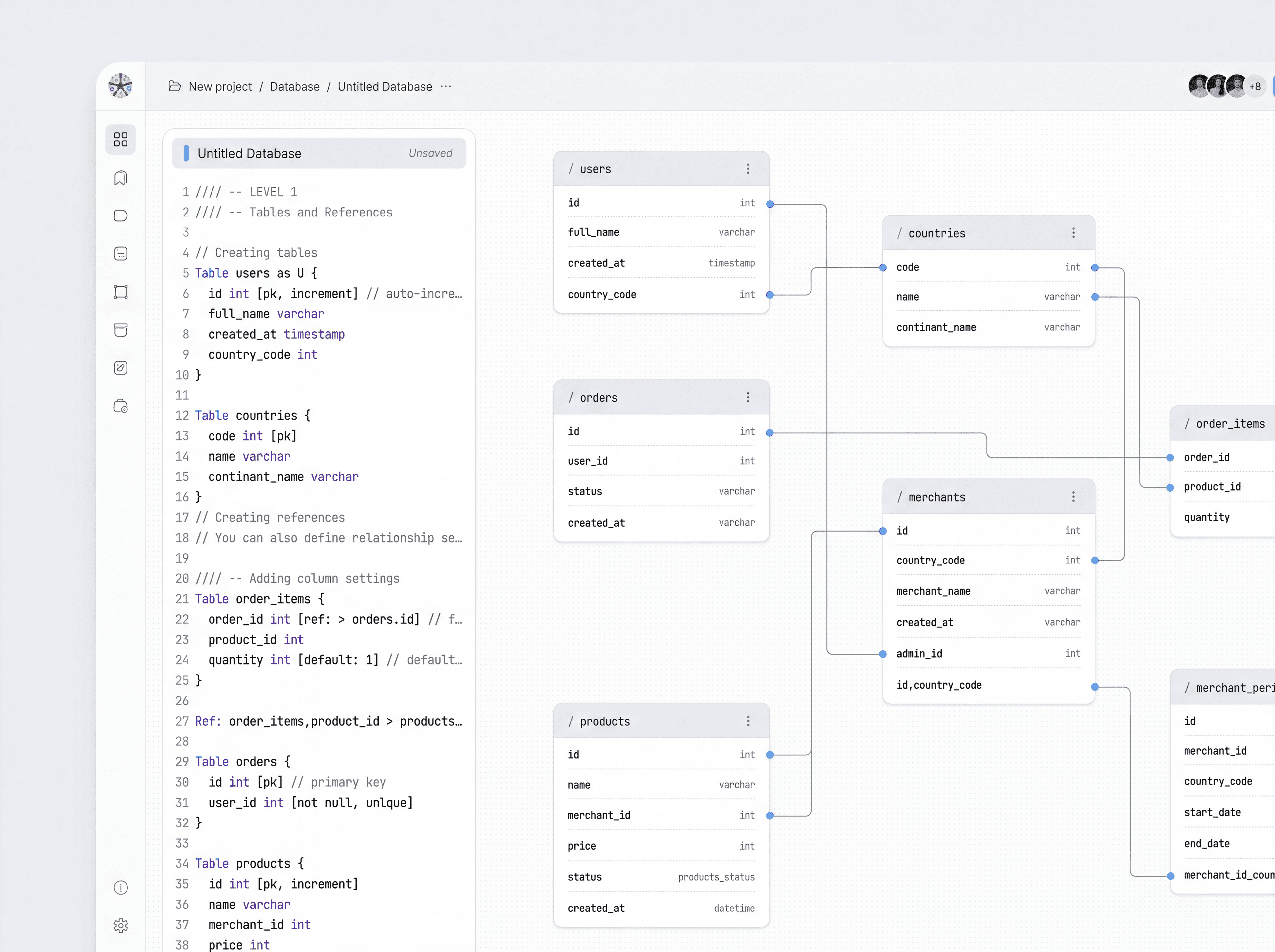
It's not a Database
Spreadsheets organize data into rows and columns for calculations, whereas a database is a structured data collection allowing efficient manipulation and retrieval. Don't use Excel as a database — it's not meant for it.
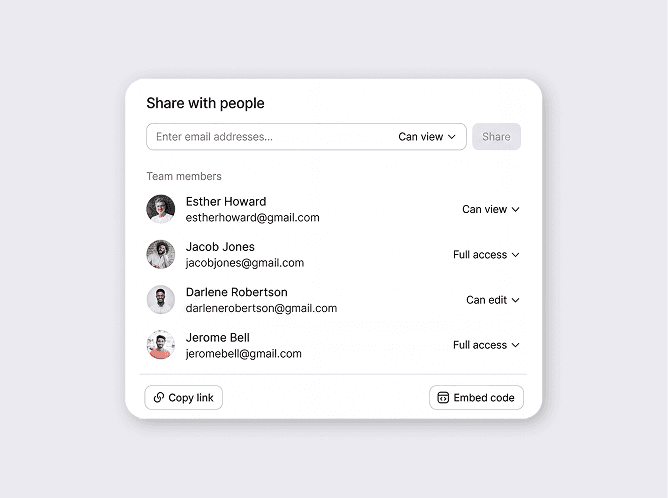
Narrow Security
Excel spreadsheets containing critical data shouldn't be open to all your team members. A simple screenshot or data pull is all it takes to disrupt your business' integrity.
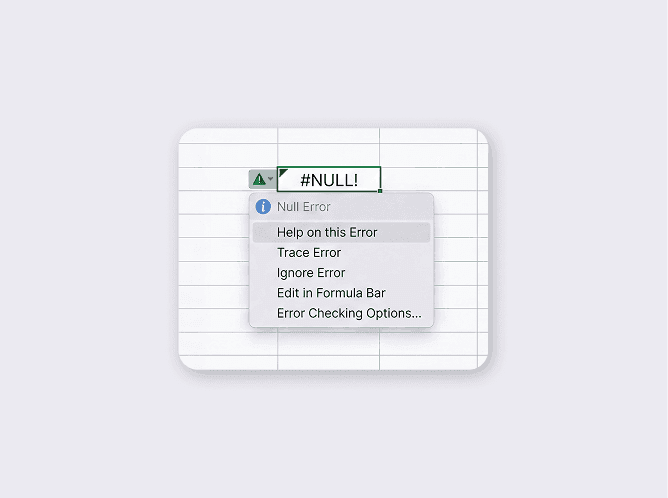
Poor Error Handling
Excel files that grow past a handful of contributors accumulate silent calculation and formula errors. With multiple people collaborating on the same internally-shared file, mistakes can occur anytime — and stay silent until it's too late.
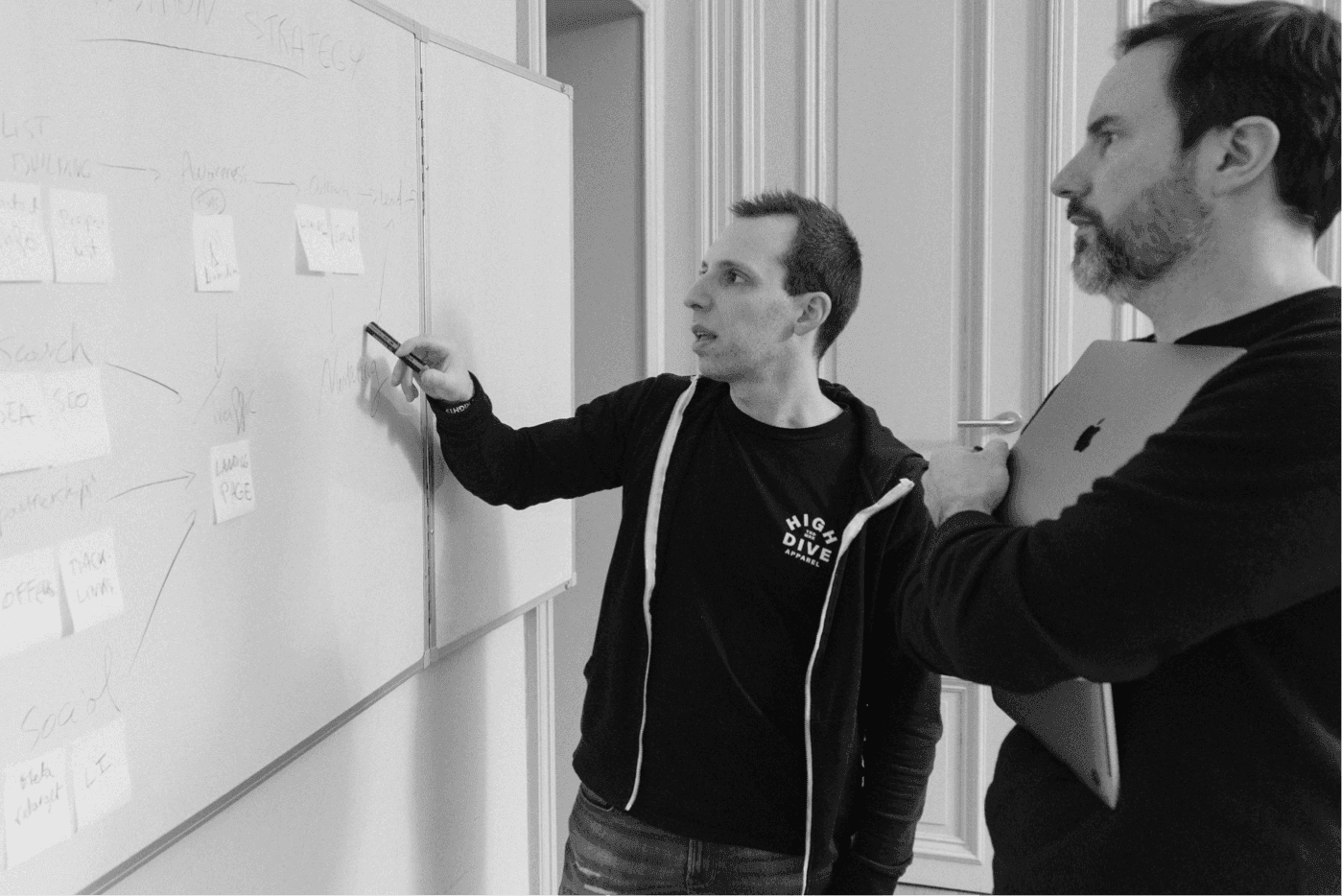
Why should I automate my business now?
The key is Business Automation.
Free from Validations
Without an information system in place, your team will have a hard time continuously grasping your vision — you're always prompted to validate or remind things that should've been documented. With a complete ERP in place, you unite your company around a single source of truth.
Automate what works
Any business effort that has proven successful ROI? It's time to automate it qualitatively to shift your focus elsewhere. You need to eliminate tedious things to solely focus on growing your business and exploring new opportunities.
Efficiency first
An ERP system serves as the backbone of this endeavor. By centralizing data and automating routine tasks, you'll minimize room for error, gain real-time insight into performance, and make informed decisions swiftly.
We know how to define the information systems you need.
We've been doing it for more than 10 years. Automating your core business with an ERP built on a low-code tool can cost around 10k, while a fully custom-developed solution can reach up to 500k.
Now, the question is: which option will be able to scale for the next 5 years? This is the initial inquiry we aim to address when identifying the challenges that our solution can address. This is why we won't push you toward the solution we know best, but the one that best aligns with your business' objectives and ambitions.
“Your business' scalability depends on the quality of your information system.”

We know how to build your ERP, CRM, project tracker, and more — with no code, low code, or custom code.












Our team of passionate experts can guide you to choose and implement the solutions your business didn't know it needed.
Connecting your systems
Think of your information systems like interconnected living beings, rather than independent blocks of your business. They have to communicate with each other to bring maximum value. You can trust us on that.
Don't be stingy
Some great business-piloting solutions cost a few dozen euros per month. While it's tempting to save on costs, think about the potential time saved from automation, reduction in costly errors, and potential for increased leads. Your company's scalability depends on your information system.
Choosing the Right Solution
From an existing tool to a custom ERP, we know how to define which will best benefit your company's processes. We're committed to electing the solution that will best fit your needs for at least the next 3 years.
Discover how we helped businesses like yours transition from Excel to exponential growth.
Sharingbox
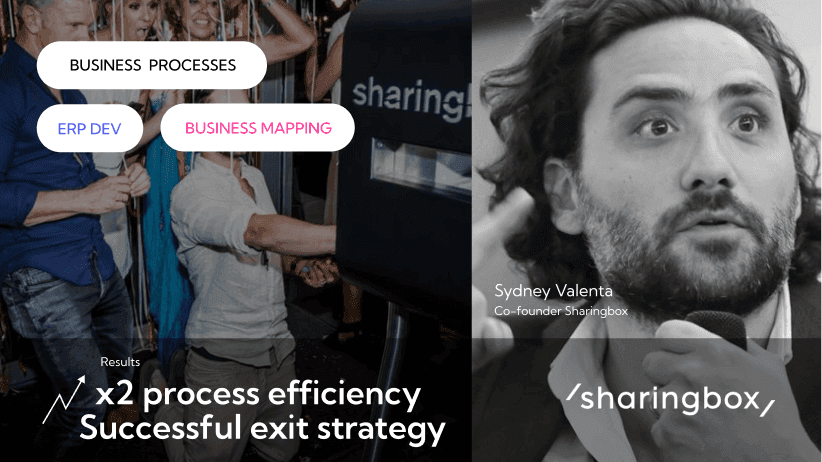
Sharingbox was growing fast, but they lacked internal processes — juggling between Excel sheets took 70% of their time. They didn't know they needed to streamline all their operations into a scalable resource planning system, until we framed their needs with them. Thanks to a comprehensive information system, they doubled their efficiency and managed to envision an exit strategy that has proven very successful.
Corset Daum
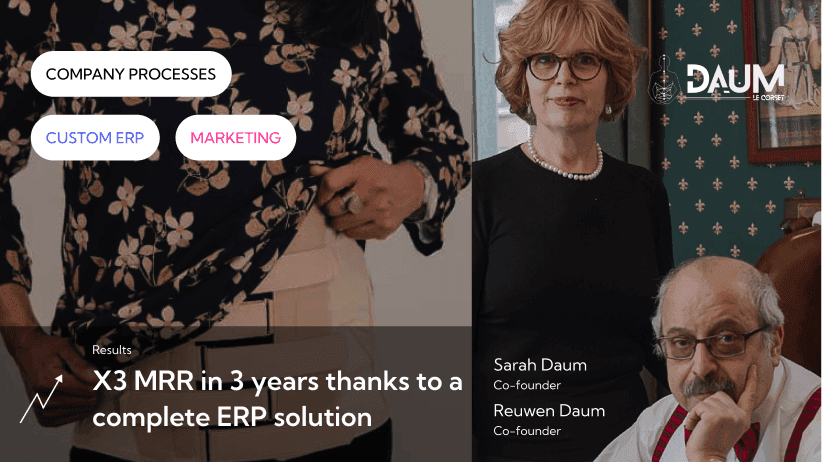
A company with an incredible mission, which needed guidance to streamline their activity. Corset Daum came to us when their main medical ERP tool shut down its services — they needed a solution fully tailored to their complex business, fostering a close, personal approach with their clients and doctor partners. With a custom ERP built on top of Monday, 80% of their tasks are now automated, which multiplied their MRR by 3 in only 3 years.
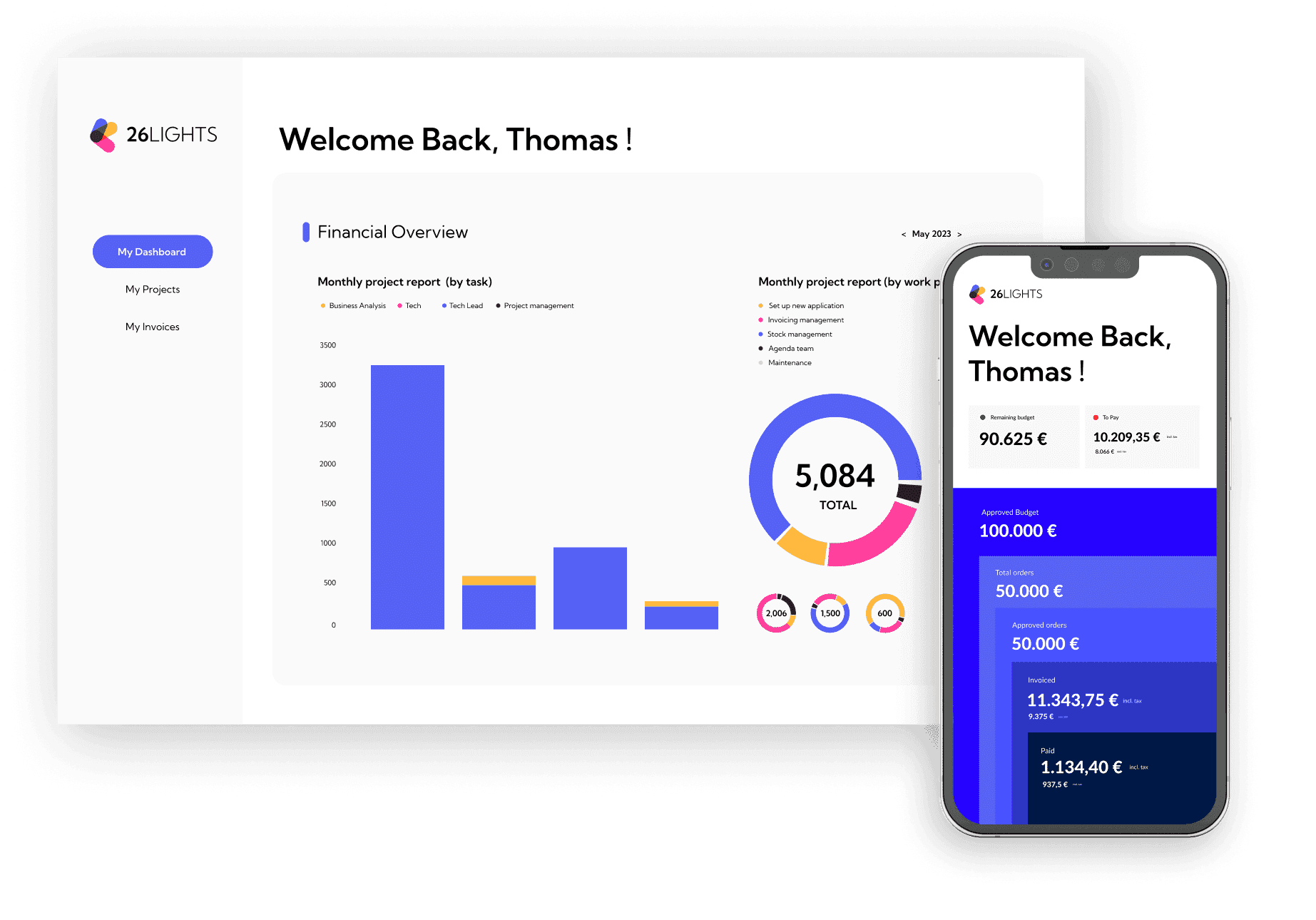
Tracking tools and methods you won't find anywhere else.
As you already know, transparency and flexibility are priorities for us. This is why we've developed proprietary technology called My26, to allow you to follow the evolution of every project in real time and be aware of how resources are being allocated at any given moment.
My26 is our investment in openness and trust, which are the building blocks of growth partnership.
Frequently asked questions
How do we know whether we need an ERP?
You probably do not need a new ERP simply because the current setup feels messy.
The first question is whether your information system is preventing the company from operating or scaling effectively.
We look at processes, data flows, duplicate work, reporting, integrations and future growth before deciding whether the answer is an ERP, better use of existing tools, automation or custom software.
Should an SME use a standard ERP or build custom software?
There is no universal answer.
A standard ERP is usually preferable when it covers most of the company's processes without excessive adaptation.
Custom software becomes interesting when specific workflows are strategically important, standard tools create significant operational friction, or the company's future model requires flexibility that packaged software cannot provide.
Hybrid architectures are also common.
Do you work with low-code and existing SaaS tools?
Yes.
Depending on the requirements, an information system can combine tools such as Odoo, Airtable, Monday, Notion or other SaaS platforms with integrations and custom components.
We deliberately compare buy, configure, integrate and build rather than assuming custom development is the answer.
Can an ERP integrate with our existing tools?
Usually, yes.
CRM, accounting, email, project management, marketing platforms and internal applications can often remain in place and exchange data through APIs or automation.
A good information system does not necessarily mean replacing everything. Sometimes the best architecture is simply making the existing tools work together properly.
When is Excel no longer enough?
Excel is extremely useful and we do not recommend replacing it simply because an organization has grown.
It becomes problematic when critical information is duplicated across files, access control becomes difficult, manual errors have significant consequences, multiple people need to update the same data, or reporting requires constant reconciliation.
At that point, the issue is not Excel itself — it is the absence of a reliable information system.
Can you give an example?
At Sharingbox, large parts of the operation had grown around spreadsheets and manual processes.
26lights first modeled the company's operations and then progressively built the information system and automations needed to support the business.
The resulting system helped the company scale internationally while automating more than 120 recurring tasks.
A team of experts, proven methods, transparency first, #NoTechReligion.
We can help you get out of Excel, implement a viable business plan for the next 5 years, advise you on recruitment, build your MVP, and build your ERP.