
Downtime doesn't have to
end your company
A power outage, data breach, or cyber-attack can cripple operations overnight. We build the disaster recovery plan that keeps you running — the same kind investors check before they wire the money.















Not just a measure to ensure business continuity — the ultimate peace of mind, and increasingly a condition VCs check before they invest.
Minimize Losses
Recover swiftly from a breach, since every scenario has been envisioned prior.
Maintain Trust
Keep serving customers and reassuring stakeholders even during challenging times.
Stay Compliant
Avoid penalties, legal issues, and protect your business ethically.
A DRP built in four steps.
Identify Critical Assets
We assess all the processes with business recovery in mind, taking into account every possible scenario to envision a solution that works for every single disaster scenario.
Define Recovery Objectives
We establish clear recovery time and objectives to protect what's most important while alleviating as much loss as possible, to get you back on track fast and secure.
Educate Collaborators
We ensure employees are familiar with the plan and their roles in case anything breaks down — every role and task centralized in a single source of truth.
Continuous Risk Assessment
We continuously assess risks and document lessons learned. A DRP is never final — it should always evolve with what you and we know and foresee.
Every DRP starts with an audit
Defining the DRP that suits your business best starts with a complete technical audit of your infrastructure and processes.
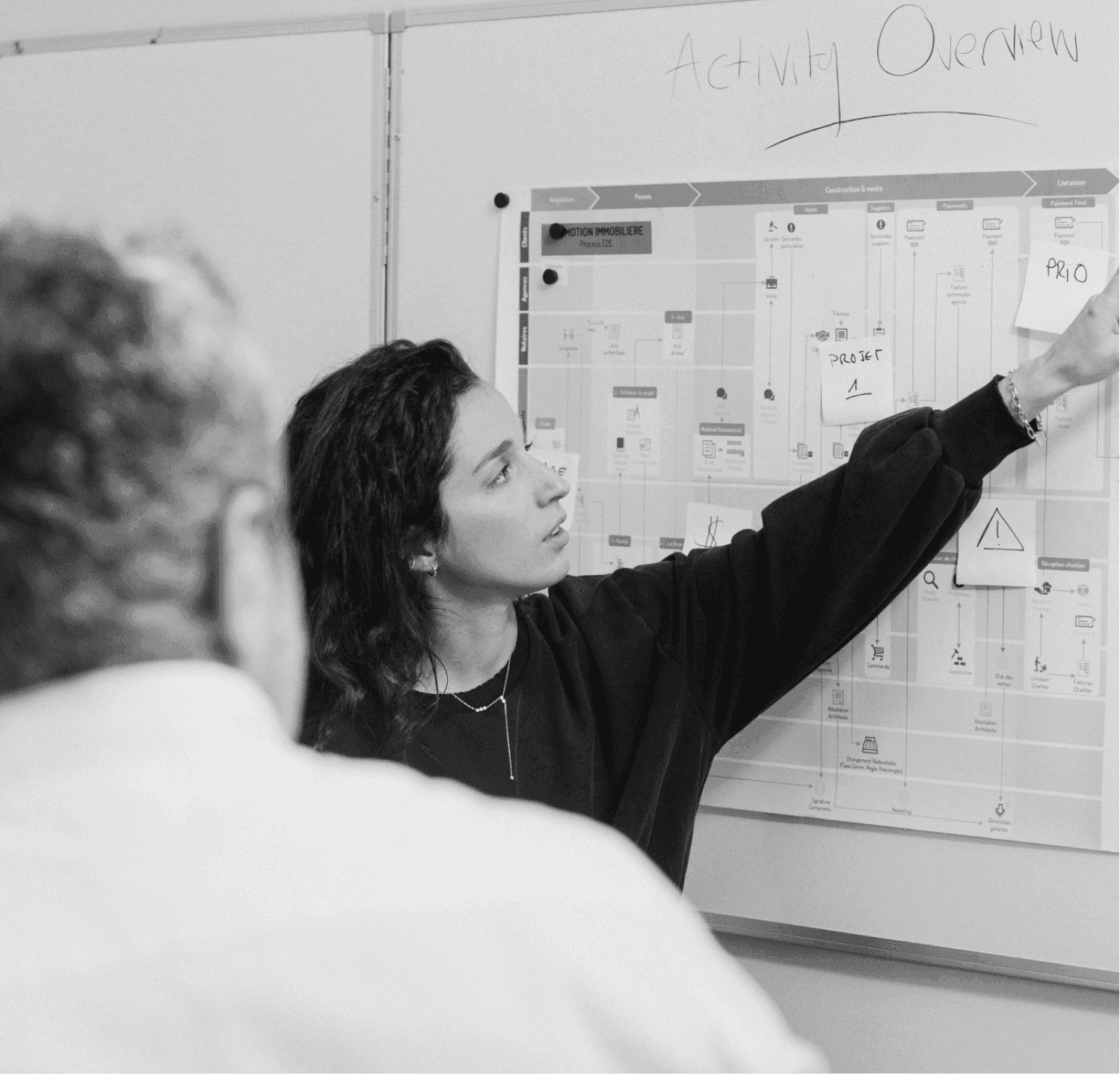
Sure, you can handle the creation of your DRP yourself.
Here's why choosing us is the better option for your business' integrity over time.
A pair of fresh (and expert) eyes will easily spot things you haven't noticed in some time — backed by our extensive knowledge of current potential disasters.
We have nothing to lose when auditing your business. We'll be as honest as we can when spotting mistakes — that's what helps you discover what to rework.
We've been helping startups with their tech challenges for years. With this extensive knowledge, we know how to dive deeper into strengthening your business against risk.
Check how we helped our clients face what they didn't see coming.

Yields.io
We built the first version of the product, which enabled Yields.io to raise €1.25M from VC firms. Six years and a few rounds later, the company has 35 people and we're still working together.
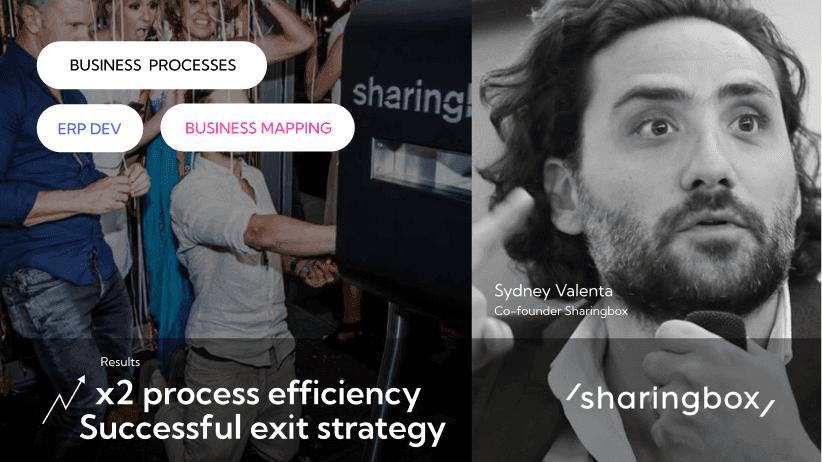
Sharingbox
We conceptualized a centralized tool that enables Sharingbox to manage thousands of events with hundreds of partners, fully automated.
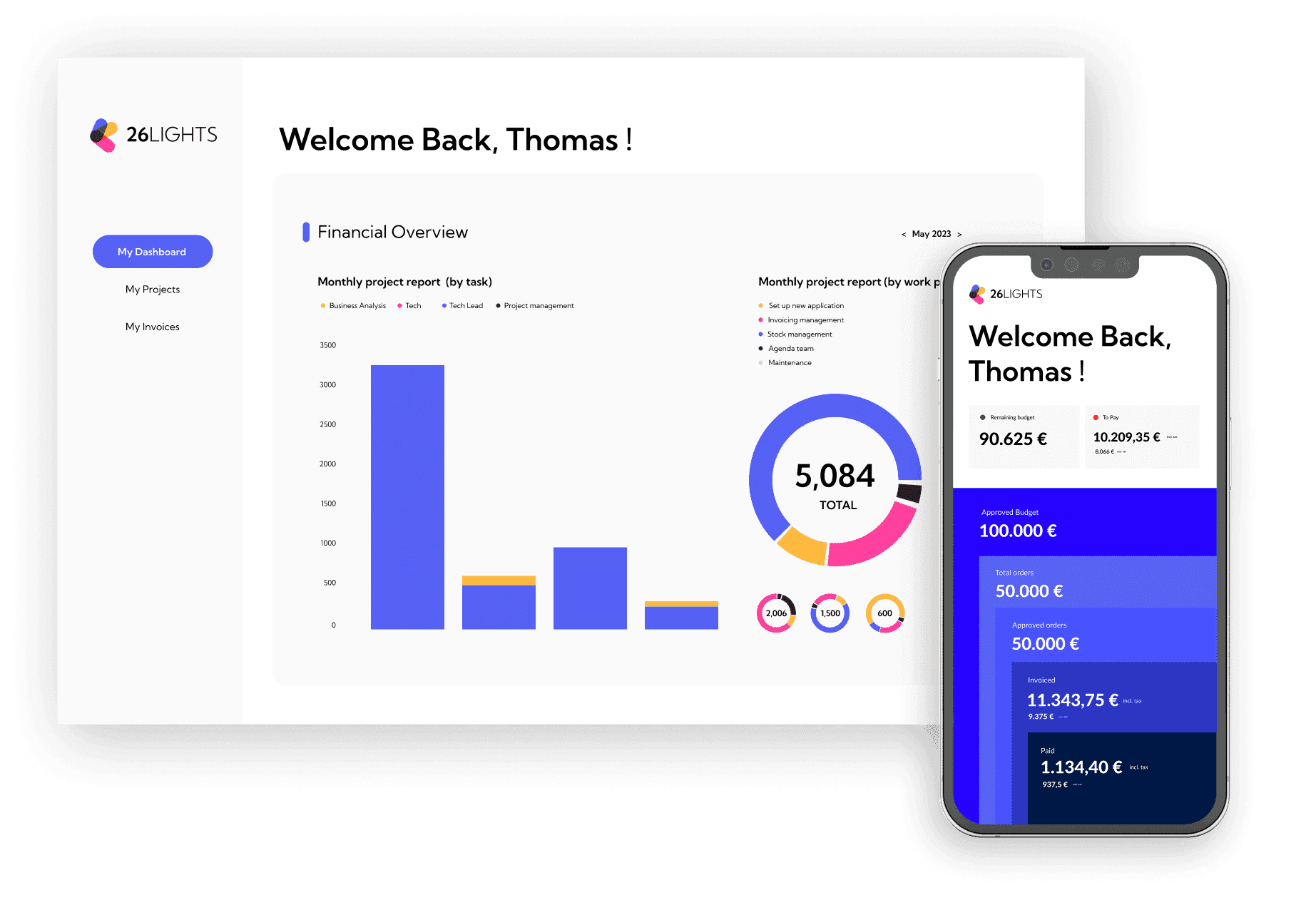
Tracking tools and methods you won't find anywhere else.
As you already know, transparency and flexibility are priorities for us. This is why we've developed proprietary technology called My26, to allow you to follow the evolution of every project in real time and be aware of how resources are being allocated at any given moment.
My26 is our investment in openness and trust, which are the building blocks of growth partnership.
Frequently asked questions
Does an SME or startup really need a Disaster Recovery Plan?
That depends on how critical technology and data are to the business.
For many companies, a few hours or days of downtime, lost data or inaccessible infrastructure can directly affect revenue, customers or compliance.
The first step is therefore understanding the actual operational risk — not creating documentation for its own sake.
Where does a Disaster Recovery Plan start?
With an understanding of the existing infrastructure, critical systems, data, responsibilities and dependencies.
From there we determine what needs to be recovered, how quickly, from which failure scenarios and by whom.
What are RTO and RPO?
RTO — Recovery Time Objective — defines how quickly a service needs to be restored.
RPO — Recovery Point Objective — defines how much data loss is acceptable.
These targets should come from business requirements. Not every system needs expensive real-time redundancy.
Do you automatically recommend additional infrastructure?
No.
Resilience has a cost.
The right level of redundancy depends on the financial and operational impact of downtime. We design the recovery strategy around that risk rather than automatically recommending the most complex infrastructure possible.
Book a meeting with Alicia