
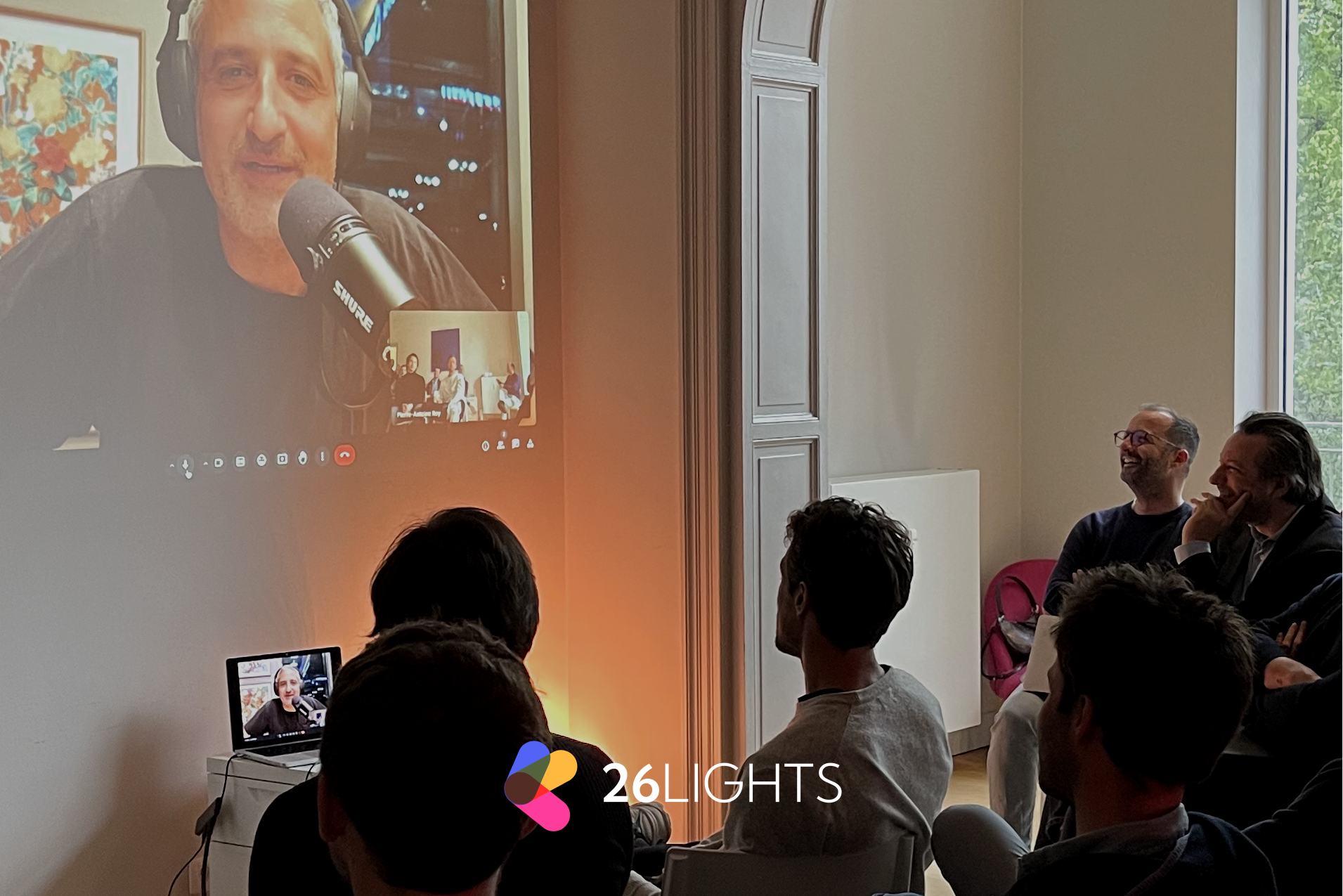
How Video Fuels Business Growth: Affordable Solutions for Small Enterprises
Compelling video content now drives how businesses communicate, both inside their company and with the outside world. Startups and small enterprises see the direct effects: video simplifies complex information, builds trust, and encourages better customer engagement. Today’s audience prefers seeing and hearing how a brand works, thinks, and solves problems. These preferences give rapid, lasting visibility to organizations who use video to share their story or demonstrate expertise.
Why Video Fuels Small Business Success
Visual assets work across platforms, from websites and social media to internal training and investor updates. For many growing businesses, a well-crafted video serves as more than a promotional tool. It shapes brand personality, communicates transparency, and nurtures repeat engagement in ways that static images or text rarely match. A genuine customer testimonial or an inside look at company culture turns viewers into supporters. This effect is even stronger for businesses working with limited resources, where every touchpoint needs to create impact fast. With practical guidance from consulting partners like 26lights, small teams often find that integrating video brings measurable benefits from the start, increasing the odds of sustainable growth and loyalty.
Visual Storytelling: Elevating Brand Identity and Engagement
Social platforms like YouTube, Instagram, and LinkedIn have set new expectations for how businesses communicate. Audiences look for stories that resonate and visuals that hold attention. An expertly produced video can deliver both, moving audiences from passive viewers to engaged participants.
The Impact of Visual Storytelling
Videos blend imagery, sound, pacing, and narrative to touch on both logic and emotion. This format can reveal not just what your business offers, but why it matters. Brands that invest in thoughtful storytelling often stand out, building trust and recognition much faster than those using only text or static images.
- Identity Clarity: Video enables consistent use of colors, logos, and tone, reinforcing your brand identity every time a viewer hits play.
- Emotional Connection: Movement and voice can humanize a business, transforming abstract ideas or services into stories that stick with viewers.
- Memorability: Studies show people remember visual content more than words alone. Leveraging video increases the odds that your message will be recalled and shared.
Building Engagement with Every Frame
The best visual stories invite participation. Simple “about us” videos, customer testimonials, or short explainer videos all offer chances to highlight real people and true customer experiences. Businesses that use video often find it easier to communicate complex offerings clearly, break down barriers of trust, and inspire purchase or partnership decisions.
For startups and small enterprises, finding the right balance between creativity and clarity requires both technical skill and strategic insight. Consulting firms like 26lights work to match narrative goals with practical production choices—ensuring every video fits seamlessly into a wider brand and growth plan. This approach keeps budgets realistic and outcomes measurable.
Consistent visual storytelling does more than entertain—it strengthens your brand, increases loyalty, and creates the connections businesses need for long-term growth.
Types of Business Videos That Drive Results
Different video formats serve unique business needs and reach audiences in distinct ways. For small enterprises, making the right choice involves matching business goals with video types proven to keep viewers’ attention and encourage engagement.
Explainer Videos: Turning Complexity Into Clarity
Explainer videos help companies introduce products, services, or processes in a clear, compelling style. They simplify technical concepts by using motion graphics and direct language. These videos work well for onboarding, marketing launches, or pitching new solutions where quick understanding is essential. When well produced, explainer videos improve conversion rates and shorten sales cycles for service providers, SaaS platforms, and product creators.
Customer Testimonials: Earning Trust Through Authentic Voices
Potential buyers are more likely to trust words from a current customer than sales copy. Testimonial videos capture real experiences, adding credibility and relatability. Businesses can feature satisfied clients describing their journey and results. This bridges the trust gap for prospects, especially in B2B sales or local services where reputation matters.
Product Demo Videos: Showing, Not Just Telling
Product demo videos walk viewers through using a product or highlight features with clear visuals. They give a hands-on look that traditional brochures or blog posts cannot provide. This format works especially well for physical goods, apps, or software. Companies often use product demos for training, customer acquisition, or user support.
Culture Clips: Humanizing the Brand
Quick looks at company culture reveal more than a mission statement ever could. These short videos display work environment, team diversity, and values in action. Regular culture-related clips can attract talent, support brand initiatives, or reinforce customer loyalty. For startups and SMEs, sharing a glimpse inside fosters authenticity and sets them apart from impersonal competitors.
Selecting among these formats depends on audience and objective. Consulting with teams like 26lights can help clarify messaging and priorities, making sure every video created has a defined role in a practical growth plan. For more inspiration, read about actual customer stories of video success.
Integrating Video Into Growth Strategies
Many business owners add video to their marketing, sales, or operations in a scattered way. Real value comes from aligning video content with core strategies instead of treating videos as a side project. This means connecting each video project to a clear goal and integrating it into planned workflows.
Practical Uses for Video Across Departments
- Marketing: Use short product introductions, behind-the-scenes clips, or event teasers across social platforms. Consistent messaging and a recognizable style become assets that reinforce campaigns and reach audiences faster. For more tips, check out our branding strategies.
- Sales: Equip sales teams with brief explainer videos or FAQ clips. These assets clarify offerings quickly, making complex points clear in just a few seconds. Personalized video messages help break through inbox noise and start real conversations.
- Operations: Train staff more efficiently with video guides or updates. Visual processes or walk-throughs standardize onboarding and scale best practices without repeating the same lesson live.
For maximum impact, planning matters more than video quality alone. Websites, landing pages, and email sequences all deliver better results when each video plays a specific role in the customer journey. This kind of integration creates more touchpoints and lets businesses collect insights, such as which videos drive clicks, views, or conversions.
Teams that want consistency and smart resource use use simple content calendars and feedback loops. Every unit—marketing, sales, or HR—offers input on what topics to cover next, so each new video solves a real need. Companies like 26lights support clients by developing frameworks that align video with strategic goals and measurable outcomes. This collaborative planning approach reduces wasted spend and improves the return on investment for every campaign.
Navigating the Cost: Affordable Video Production for Small Businesses
Many small businesses worry that professional video production lies beyond their financial reach. In practice, effective video is possible even for lean budgets. The main cost factors are transparent once broken down, allowing companies to focus limited resources where they have the highest return.
What Drives the Cost of Video Production
- Script and Concept Development: Planning the story, writing scripts, and creating storyboards can add cost but delivers clarity.
- Production: Filming, equipment, crew, and location fees are often the major expense. Choices around video length, setting, or number of people involved directly affect the total.
- Editing and Post-Production: Visual edits, sound mixing, music, and graphics polish the end product. Complexity or special effects demand higher spend.
- Distribution: Optional costs relate to optimizing videos for various platforms or launching paid campaigns.
Simple, targeted content often wins over slick but generic messaging. For most startups and SMEs, a few well-crafted videos serve better than a costly series with unclear objectives. Small teams can film in familiar spaces and use existing staff or customers as featured voices. Many free or low-cost tools also help, with software like Canva and DaVinci Resolve supporting editing and basic animation tasks.
To maintain quality without overspending, businesses often choose local freelance videographers or seek recommendations within professional circles. Package deals for multiple videos or ongoing projects provide negotiation power. Firms such as 26lights consult on practical video strategies, helping businesses prioritize content types and vendors that fit both need and budget.
Efficient planning and honest budget conversations deliver the most value. By defining goals and core messages early, small businesses avoid extra filming and repeated edits, keeping production streamlined and costs contained. Informed choices about style, duration, and use case help maximize every euro or dollar invested in video.
Planning and Executing Successful Video Campaigns
Set Clear Objectives and Define Success
Successful video campaigns start with clear goals. Identify the main business objective each video supports, such as driving site visits, collecting leads, or showcasing a new offering. Avoid generic aspirations like “get more views.” Instead, choose concrete outcomes that connect directly to growth, such as “increase demo bookings by 15 percent in three months” or “double newsletter signups from our landing page videos.” Setting measurable goals up front enables better planning and realistic expectations.
Plan Content with Your Audience in Mind
Knowing who will watch the video shapes every decision, from visuals to message length. Research your main audience segments and focus video scripts on their needs, concerns, or questions. Outline a straightforward message and storyboard before production. This helps avoid costly revisions. For startups and SMEs with tight budgets, concise planning often saves both time and resources during production.
- Keep messaging concise and direct.
- Bake in brand identity through tone, colors, and style.
- Plan for the main platform: aspect ratio, captions, and attention-catching intros all differ from YouTube to Instagram or LinkedIn.
Manage Execution and Track Results
Once published, monitor each video’s traction with analytics. Track standard metrics such as views, watch time, click-throughs, and conversions. Platforms like YouTube and Vimeo offer built-in analytics, while tools like Google Analytics help attribute results back to video efforts. Regularly compare performance against original targets, then refine content or distribution based on what works best.
For companies balancing several campaigns, collaborative platforms, such as the My26 platform used by 26lights clients, can organize planning, feedback, and reporting in one place. This system keeps execution disciplined and transparent, without over-complicating the process.
Every effective video campaign moves deliberately from goal setting and content development to data-driven review. Careful planning increases the likelihood that each video delivers a real impact aligned to business growth.
Why 26lights Champions Video in Growth Consulting
Small businesses often want to use video content but struggle with direction, expertise, or aligning production to actual growth targets. The consulting approach at 26lights reflects the belief that video only works when it supports clear objectives—such as reaching new markets, improving client retention, or simplifying team training. By weaving video consultations into broad, customized plans, the firm supports startups on both strategy and execution.
Connecting Strategy to Action
26lights uses its knowledge of business, technology, and marketing to help clients establish the right video mix for each stage of their growth. The firm inquires about company goals before suggesting video as a solution: this means no generic suggestions or cookie-cutter tactics. Instead, every video concept serves a direct purpose, for example:
- Explainers that address unique client pain points
- Customer interviews that reinforce documented strengths
- Product walk-throughs supporting technical adoption or onboarding
- Short cultural clips that highlight values in a crowded talent market (see our approach to culture)
Each project starts with a clear scope and timeline, streamlined through transparent progress tracking on platforms like My26, and continuous client feedback shapes each step.
Practical Guidance, Flexible Support
Video strategy at 26lights involves more than producing individual clips. Consultants guide clients on creating content for different channels and adapting messages without unnecessary rework. Using proven frameworks, the team helps businesses prioritize efforts where budget and impact align. Their support covers choosing affordable tools, hiring freelancers, or scaling video operations once results begin to show.
As a result, clients avoid wasted spend and see video as a growth driver rather than a marketing experiment. The goal is simple: enable businesses to integrate video in a way that strengthens the core brand and supports ongoing expansion.
The Future of Video Production in Business Growth
Change within video production is constant. Audiences, algorithms, and communication tools evolve, pressing businesses to keep adapting or lose their edge. At the same time, people now expect brands to not only share information but also create transparent, accessible, and engaging experiences across all digital channels.
Emerging Trends Informing Future Strategies
A few clear trends point to how video will keep shaping business growth:
- Live Streaming and Real-Time Content: Streaming is no longer reserved for entertainment. Companies use it for product launches, Q&As, and live events, building an immediate, interactive connection with their audience.
- Short-Form Video Dominance: Platforms such as TikTok, Instagram Reels, and YouTube Shorts have pushed short, vertical video to the front. These formats force brands to capture attention fast and speak directly to mobile-first users.
- Data-Driven Personalization: Advanced analytics and AI-powered platforms now let businesses adjust video content for different viewer profiles. This enables message targeting at scale while monitoring impact more closely.
- Accessible and Inclusive Content: Laws and audience demand mean captions, descriptive audio, and clear graphics are not optional. Accessible video makes content open to everyone, growing reach and trust.
Emphasizing these trends is only effective if video content serves core business priorities. Businesses can future-proof their approach by linking video with measurable objectives, rapid feedback cycles, and scalable production workflows that stretch resources further.
Video as a Core Growth Asset
In a digital-first era, ignoring video amounts to missing out on the main way that decision-makers and buyers discover and evaluate new companies. Video conveys expertise, credibility, and personality all at once, giving even small brands peer standing alongside market leaders. Automated publishing tools and simple editing platforms have erased many older technical barriers, meaning today any organization, regardless of size, can build a presence over time.
For entrepreneurs and SMEs looking for sustainable growth, video is not only practical, it is necessary for relevance. Growth-focused consultancies, including 26lights, increasingly incorporate video strategy into every stage of the planning process, from early market analysis to client retention campaigns. This ensures every video asset both responds to rapid changes and stands up over time, embedding value without inflating costs. Read more about consistent business growth approaches in our Business Growth Guide.
As digital expectations rise further, those who adapt internally and test new production styles will stand out, connect faster, and sustain loyalty through evolving channels and trends.